Parking Lot Maintenance in Seattle: How to Extend Asphalt Life
Parking Lot Maintenance in Seattle: How to Extend Asphalt Life
Commercial parking lots face constant moisture exposure and heavy traffic loads. Rainwater, oil spills, and heavy vehicle tires break down liquid asphalt binders, leading to potholes and faded directional lines. Setting up a routine plan for parking lot maintenance in Seattle stops moisture damage early and doubles overall pavement lifespan.
Why Does Rainwater Destroy Commercial Asphalt Pavement?
Asphalt pavement consists of rock aggregate bound together by liquid asphalt binder. Direct sunlight, ultraviolet exposure, and daily vehicular wear burn off essential binding oils over time. This oxidation process causes dark asphalt to turn brittle and fade to a light gray color within 12 to 18 months.
Once oxidation forms surface micro-cracks, rainwater seeps straight through the pavement into the underlying gravel base. Trapped water softens the base soil beneath the asphalt structure.
When heavy cars and delivery trucks drive across these wet, unsupported spots, the pavement flexes downward and shatters. This structural failure leads directly to deep potholes, depressed pavement sections, and widespread alligator cracking across the commercial property.
How Does Hot-Pour Crack Filling Prevent Potholes?
Sealing cracks early stops water from reaching the aggregate foundation. Proper crack repair requires systematic surface prep to guarantee a long-lasting seal:
- Vegetation and Debris Cleaning: Operators clear dirt, weeds, and organic debris from cracks using high-pressure gas blowers or mechanical crack cleaning machines.
- Sand Backfilling: Deep cracks are backfilled with clean silica sand, leaving a half-inch free depth at the surface to optimize material consumption.
- Melting and Applying: Using melter-applicators like the HOTBOX-10, workers heat rubberized crack filler to over 300 degrees Fahrenheit and pour it into the crack.
- Pothole Patching: Localized structural voids are cleared of debris, filled with asphalt cold patch compound, and mechanically compacted flush with the surrounding pavement.
What Are the Benefits of Commercial Spray Sealcoating?
Sealcoating acts as an impenetrable waterproof shield over asphalt pavement. Applying a heavy layer of commercial asphalt emulsion sealer locks out rainwater, motor oil drips, and harmful solar rays. It restores liquid binder flexibility so the pavement matrix can handle daily traffic without cracking.
Using commercial spray systems powered by heavy-duty cast iron pumps ensures an even application across large commercial lots. High-pressure spraying pushes liquid sealer deep into open asphalt pores, locking loose aggregate in place and restoring a rich black finish that elevates property appearance.
How Much Sealer Coverage Does a 55-Gallon Drum Yield?
Estimating material needs accurately keeps job costs low and guarantees adequate material thickness. A standard 55-gallon drum of commercial asphalt emulsion sealer yields specific coverage metrics based on pavement porosity:
- Total Drum Yield: One 55-gallon drum covers roughly 4,500 to 5,500 square feet of pavement.
- Coverage Per Gallon: Averages approximately 100 square feet per gallon of sealer.
- Residential Application: A single drum provides enough coverage for about 6 to 8 standard residential driveways.
- Coverage Variables: Total yield varies based on asphalt texture, age, sand content, and application method (spray system vs. hand squeegee).
Preserving Commercial Real Estate with Q-Line Asphalt Care
Protecting commercial parking lots requires professional equipment, quality materials, and skilled execution. Most standard asphalt repair jobs fade and lose line visibility within 12 to 18 months, leaving properties looking worn and vulnerable to structural damage. When asphalt binders break down under constant traffic and harsh weather, oxidation turns resilient pavement brittle, leading to surface micro-fissures and potholes that diminish curb appeal and compromise safety.
Q-Line offers a complete commercial asphalt preservation program guaranteed for two full years—delivering double the standard industry lifespan. This comprehensive program includes complimentary periodic touch-up maintenance during the guarantee period if needed, ensuring your property maintains a clean, professional finish year-round. Rather than relying on temporary fixes, our approach treats asphalt as a long-term asset, protecting the sub-base aggregate from destructive water penetration and UV degradation.
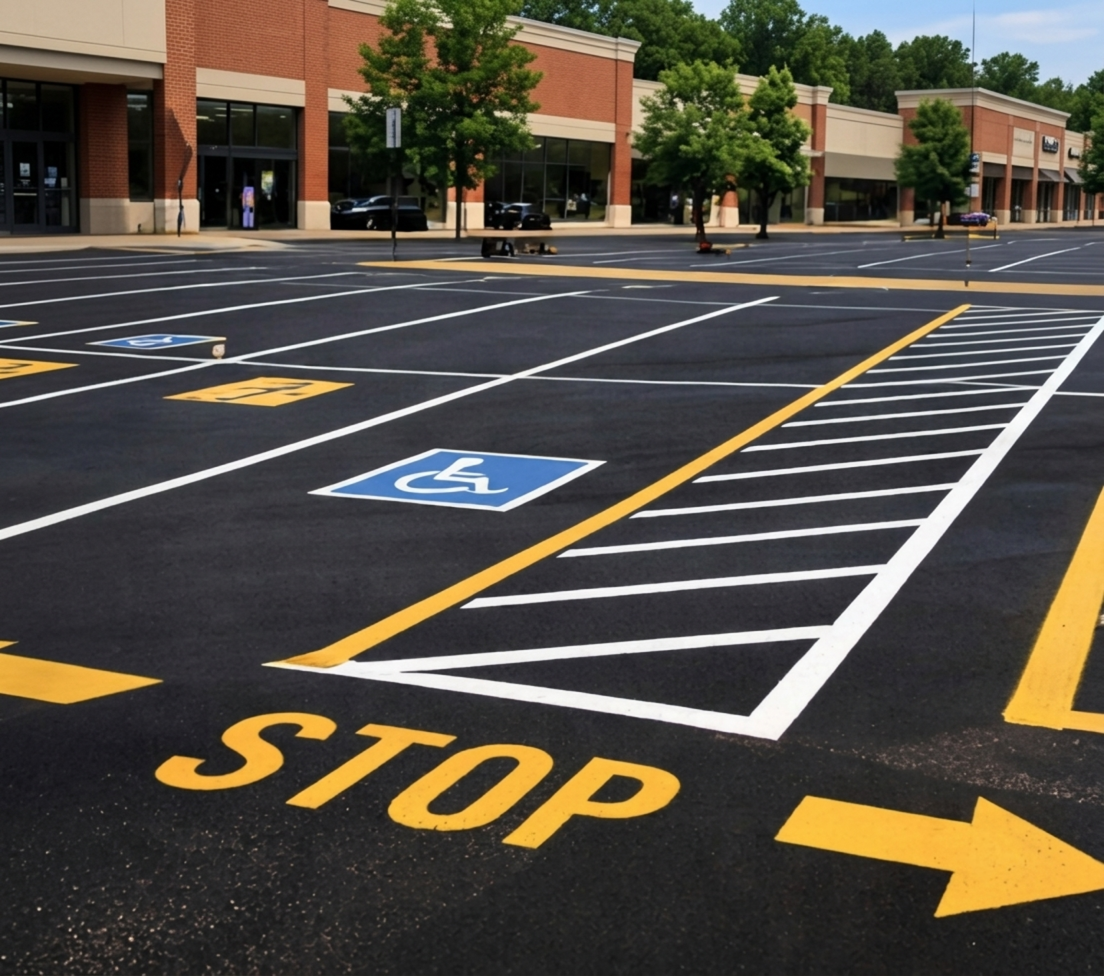
Equipped with professional spray systems powered by commercial-grade engines, oil-jacketed HOTBOX-10 crack melters, and comprehensive sales and technical training through the CLOSER Framework, Q-Line Team Leaders deliver high-durability pavement repairs. By deploying high-performance asphalt emulsions, hot-pour rubberized sealant, and precision line striping machinery, our trained teams eliminate early pavement failure. This systematic preservation process saves property owners thousands of dollars in early repaving costs while maximizing available parking capacity and ensuring total ADA compliance.
Frequently Asked Questions
- How often should a commercial parking lot be sealcoated?
Commercial parking lots should be sealcoated every 2 to 3 years to maintain a waterproof barrier and protect the asphalt binder from oxidation.
- How do hot-pour crack sealers differ from cold liquid crack fillers?
Hot-pour rubberized filler melts above 300 degrees and fuses directly to crack sidewalls. It expands and contracts with seasonal temperature changes without cracking, whereas cold fillers shrink and pull away.
- How long should cars stay off a freshly sealcoated lot?
Vehicles should stay off freshly sealcoated pavement for 24 to 48 hours to allow the liquid emulsion sealer to cure completely.
- Can potholes be repaired right before sealcoating?
Yes. Installers clear out loose debris, fill structural voids with asphalt cold patch, and compact the material flush before spraying sealer over the entire surface.
- What daily earnings can a trained asphalt maintenance crew generate?
A trained Q-Line asphalt crew can earn $1.00 per square foot, generating up to $2,000 per day on targeted maintenance projects.